



How to Tell If Bed Bugs Are Spreading in Your Home
Bed bug infestations rarely stay contained in one room. What starts as a small issue—often in a single bed or piece of furniture—can quickly expand into multiple areas of your home if not addressed properly. These pests are highly mobile, excellent at hiding, and capable of reproducing rapidly. As a result, bed bug reinfestation and spread can happen faster than most homeowners expect.
Understanding the early warning signs of bed bug spread is critical. The sooner you identify movement beyond the initial area, the easier it is to stop the infestation before it becomes a whole-home problem. So how can you tell if bed bugs are no longer confined to one space?
Early Signs Bed Bugs Are Spreading

New Bite Patterns in Different Rooms
One of the first indicators that bed bugs are spreading is a change in where bites appear. Initially, bites are often limited to areas exposed during sleep, typically in the bedroom. However, as infestations grow, bites may begin to appear after spending time in other areas of the home.
You may notice:
Bites appearing after sitting on couches or chairs
Increased frequency of bites throughout the week
Bite patterns showing up on different parts of the body
It’s also important to note that reactions to bites can be delayed. Some individuals may not show symptoms immediately, making it harder to pinpoint when and where exposure occurred.
Fresh Stains and Shedded Skins in Multiple Areas
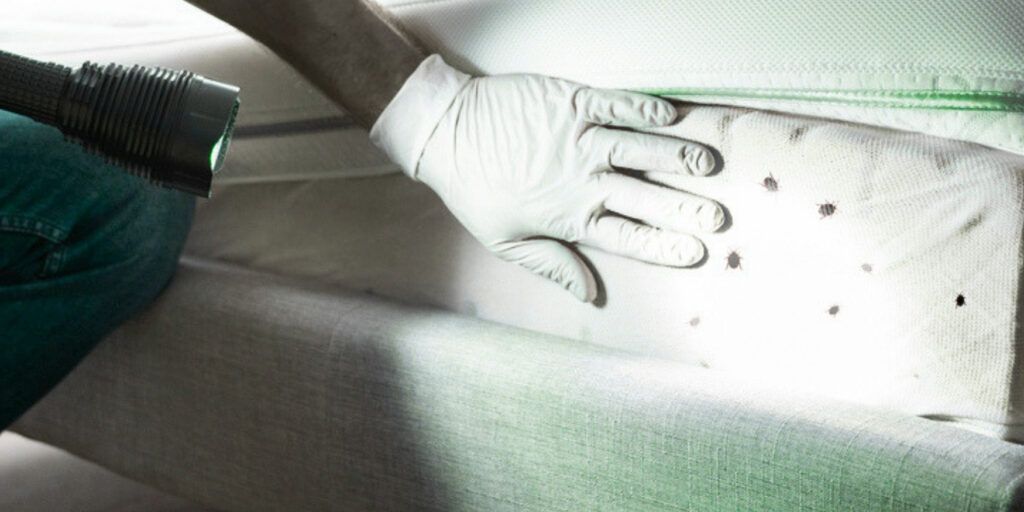
As bed bugs spread, physical evidence begins to appear outside the bedroom. Dark spotting—caused by bed bug droppings—may show up on couches, baseboards, and other furniture.
Additional signs include:
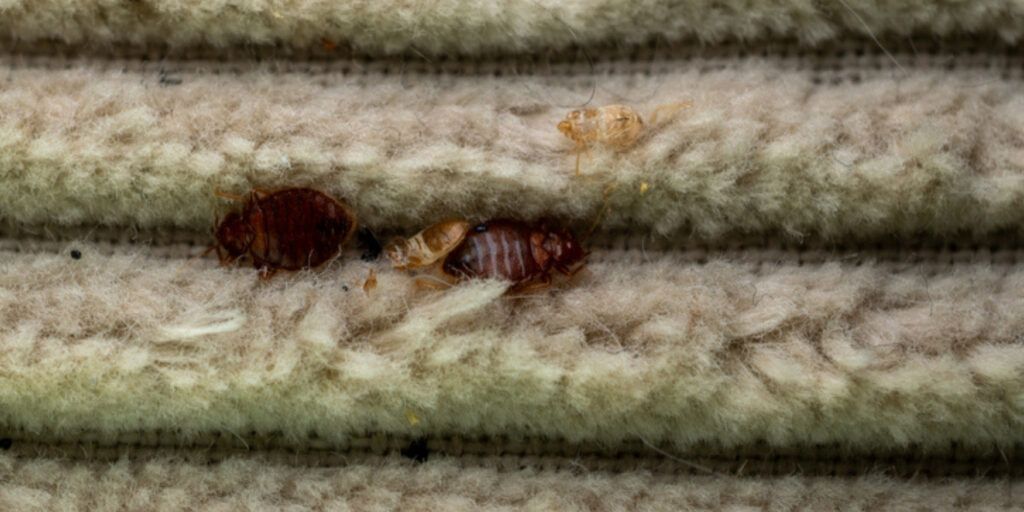
Shed skins along baseboards and furniture edges
Small blood stains on cushions and upholstery
A faint, musty odor in newly affected areas
Finding these signs in multiple rooms is a strong indication that the infestation is no longer localized.
Why Bed Bug Reinfestation Happens So Quickly
Eggs Hidden in Untreated Spaces
One of the main reasons infestations spread is that eggs are often left behind during incomplete treatments. Bed bug eggs are tiny and difficult to detect, commonly hidden in:
Cracks and crevices
Wall voids and electrical outlets
Seams of mattresses and furniture
Even if adult bugs are eliminated, these eggs can hatch days or weeks later, restarting the infestation cycle. This is a primary cause of bed bug reinfestation in homes that rely on surface-level treatments.
Movement Through Shared Walls and Hallways
Bed bugs are not limited to a single room—or even a single unit. In apartments and multi-unit buildings, they can travel through shared walls, plumbing systems, and hallways.
Common spread scenarios include:
Movement between neighboring apartments
Infestations traveling through wall voids
Reintroduction after travel or guest visits
These factors make containment especially challenging without a comprehensive approach.
When to Schedule a Bed Bug Inspection Service
After DIY Methods Fail
Many homeowners try to control bed bugs with sprays, foggers, or other over-the-counter products. While these methods may reduce visible activity, they rarely eliminate the entire infestation.
DIY treatments often fail because:
They do not kill eggs
They miss hidden infestations
They provide only temporary relief
If you notice continued activity after attempting DIY solutions, it’s time to consider a professional bed bug inspection service.
Why Professional Bed Bug Treatment Stops Spread
Professional solutions are designed to address the full scope of an infestation. Rather than targeting only visible bugs, technicians focus on eliminating all life stages and hidden populations.
A comprehensive bed bug treatment approach typically includes:
Whole-room or whole-home treatment strategies
Identification of hidden infestation areas
Methods that target eggs, nymphs, and adults
This level of thoroughness is essential for stopping the spread and preventing reinfestation.
Additional Warning Signs Homeowners Often Miss
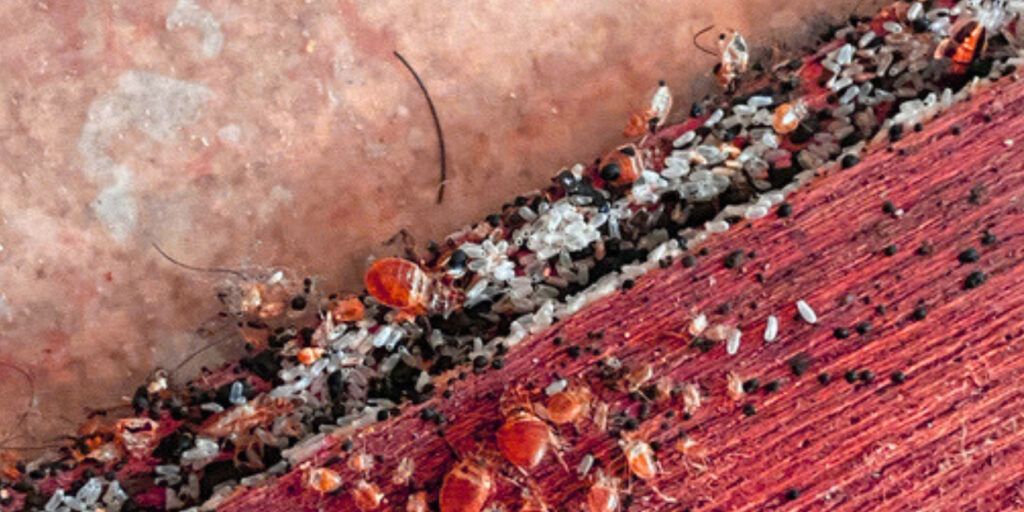
Beyond the obvious indicators, there are subtle clues that bed bugs are spreading. Increased daytime sightings—especially in living rooms or hallways—can signal overcrowding in their original hiding spots. You may also notice bugs migrating toward new hosts or resting areas.
Another overlooked sign is recurring activity after cleaning. If you vacuum, wash bedding, and still notice signs within days, it’s likely the infestation has expanded beyond easily treatable areas.
Pay attention to pets as well. While bed bugs do not live on animals, they may hitchhike on pet bedding or areas where pets rest frequently.
How to Contain the Spread Immediately
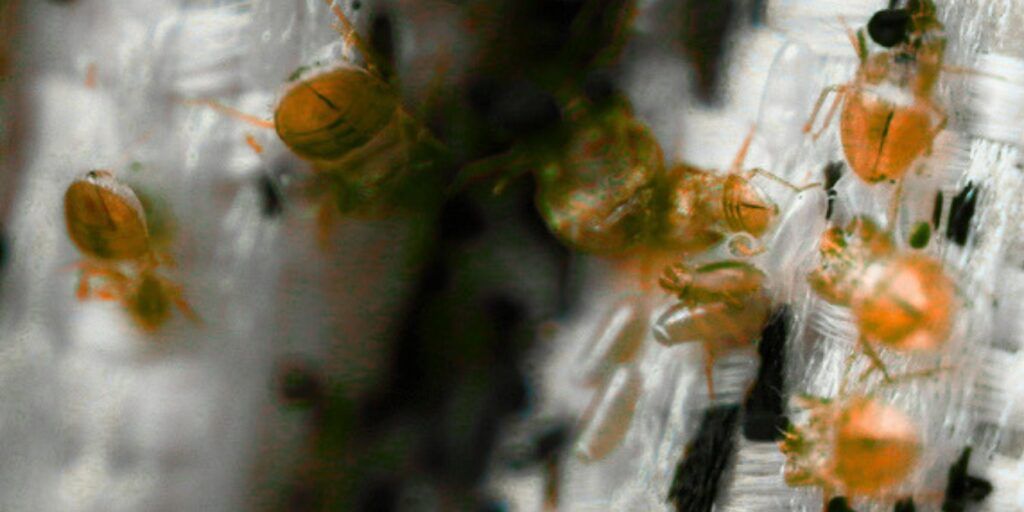
If you suspect bed bugs are spreading, taking immediate steps can help limit further movement. Start by reducing clutter, especially near sleeping and resting areas. This minimizes hiding spots and makes detection easier.
Avoid moving infested items between rooms, as this can accelerate spread. Instead, isolate affected areas and use sealed bags for laundry and fabrics. Wash and dry items on high heat to kill any hidden bugs or eggs.
It’s also important to avoid using multiple DIY products at once. Overuse of sprays can drive bed bugs deeper into walls and harder-to-reach areas, making professional treatment more difficult.
Act Fast Before the Infestation Expands

Bed bugs are persistent, but early detection can make all the difference. Recognizing the signs of bed bug infestation allows you to take action before the problem becomes severe.
From new bite patterns to evidence in multiple rooms, these warning signs should never be ignored. Acting quickly with a professional inspection and treatment plan helps stop the infestation at its source.
The longer you wait, the more difficult and expensive the solution becomes. By staying alert and responding early, you can protect your home and avoid a full-scale infestation.
References
Centers for Disease Control and Prevention. (2022). Bed bugs FAQs. https://www.cdc.gov/parasites/bedbugs/faqs.html
Environmental Protection Agency. (2023). Bed bugs: Get them out and keep them out. https://www.epa.gov/bedbugs